
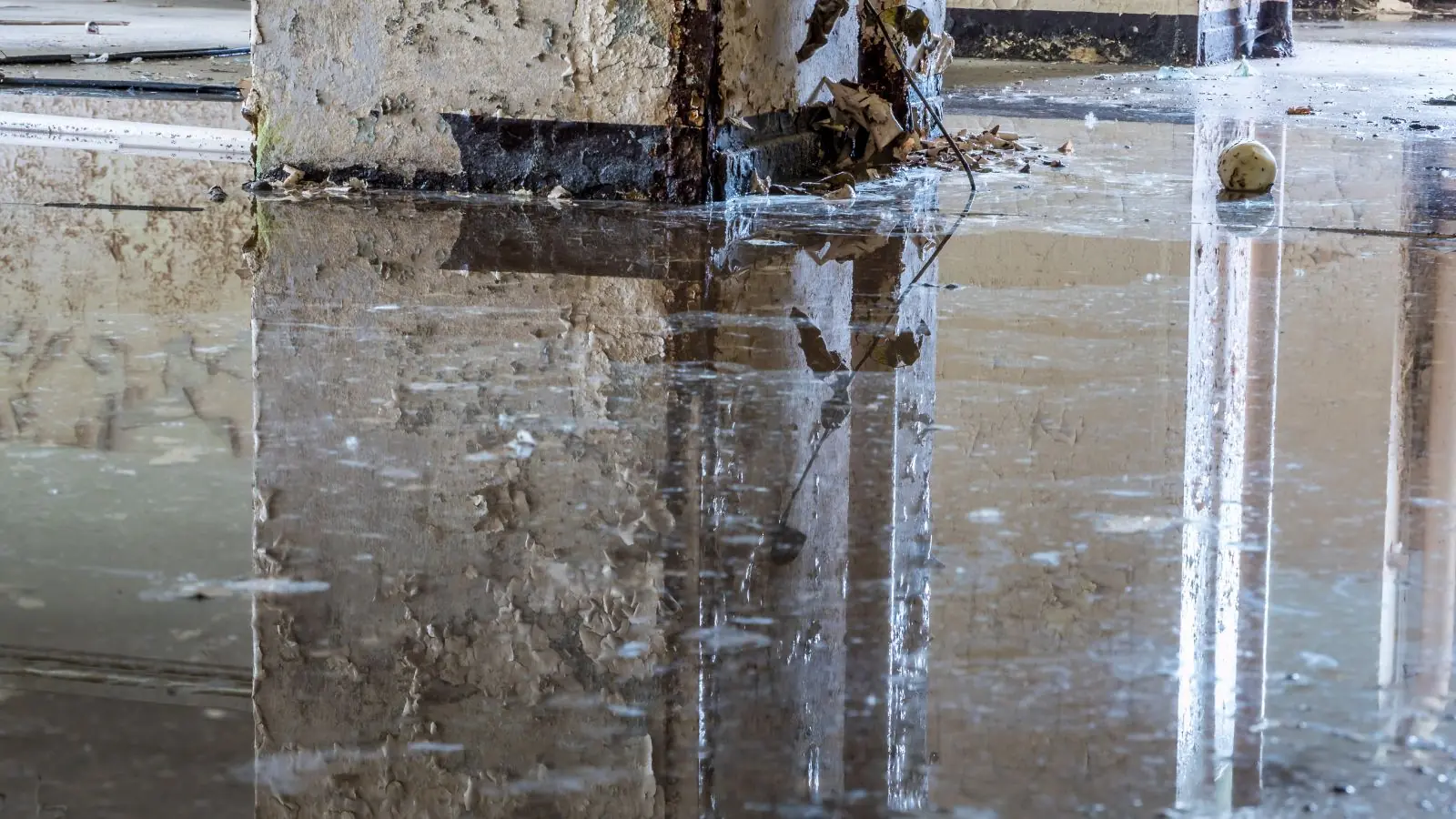
Standing water needs to leave the house today
Water extraction is the physical removal of liquid water from a building with pumps, wands and weighted extractors, before any drying equipment is switched on. If water is pooling in your Maryland Heights home right now, the line at (833) 521-1033 is answered 24/7.
While you wait, stop the source if you can reach it. Close the main shut-off valve, keep children and pets out of the wet rooms, and lift rugs, boxes and electronics onto a table or counter.
Leave the breaker panel alone if you would have to stand in water to reach it. Call Ameren or 911 first when outlets, cords or the panel itself are wet.
When standing water is an emergency
Every hour that water sits, it moves. It wicks up drywall, runs under base plates into the next room and soaks the carpet pad from below. A puddle that looked contained at breakfast can reach a hallway closet by lunch.
Callers often describe it by depth. Ankle high in the laundry room, an inch across the finished basement, or a wet line creeping across the kitchen floor. Depth, room count and the source are the three things we ask about first, at 2 p.m. or 2 a.m.
- Water is still entering and you cannot stop it
- It has reached carpet, wood flooring or a finished wall
- It came from a drain, a toilet or outside ground water
- It has been sitting more than a day, even if it looks clear
Why extraction calls happen in Maryland Heights
City figures show 53.1 percent of local housing was built between 1960 and 1979. Supply valves, washer hoses and water heaters in homes of that age have often been replaced once already, and the second set is now aging too. A failed fitting in one of those ranch homes off Dorsett Road or McKelvey Road can release hundreds of gallons before anyone is home to see it.
Rain is the other driver. On July 26, 2022 a National Weather Service observer measured 10.35 inches about a mile southeast of Maryland Heights, and Fee Fee Creek rose past major flood stage. Storms on that scale push water into below-grade rooms far faster than a floor drain can clear it, which is why we keep pumps sized for a flooded basement on the trucks.
How the water is removed
- Safety and source check. We confirm the water is off, look for electrical hazards and identify whether the water is clean, gray or contaminated.
- Pump out. Submersible pumps handle anything deeper than about an inch and discharge to a suitable drain point.
- Extraction. Truck mounted or portable extraction units pull water from carpet, pad and hard floors. Weighted extractors press water out of carpet that can stay in place.
- Moisture mapping. Moisture meters and a thermal imaging camera show how far water travelled inside walls and under flooring.
- Drying setup. Air movers and LGR dehumidifiers go in once the liquid water is gone.
The handoff matters. Extraction removes what you can see, and structural drying removes what has soaked into wood and drywall. Skipping the second step is how a floor that looked fine ends up cupped three weeks later.
What can stay and what usually goes
| Material | Clean water, caught early | Dirty water or long soak |
|---|---|---|
| Carpet | Usually extracted and dried in place | Removed |
| Carpet pad | Sometimes dried, often replaced | Removed |
| Drywall | Dried if readings fall | Cut out above the water line |
| Solid hardwood | Often dried with floor mats | Case by case |
Those are typical outcomes under ANSI/IICRC S500 practice, not promises. Readings on your materials decide it, and we walk you through them. If the soaked area is mostly carpet, our page on saving wet carpet and pad covers that decision in more detail.
What drives the price of water removal
- The water category: clean supply water, gray water or sewage
- How many rooms and how many square feet are wet
- Depth, and whether pumping is needed before extraction
- Materials involved, such as pad, hardwood or finished walls
- How many drying days and machines the job needs afterward
You hear the full scope and what it costs before a single machine is switched on. Sudden pipe and appliance failures are often covered by a homeowners policy, while ground water and flooding usually are not. Check your policy or ask your insurer, and keep the photos and moisture readings we give you.
Want a real number for your rooms? Describe the water and we will scope it.
Call (833) 521-1033Extraction across Maryland Heights and nearby towns
We run water removal calls throughout the 63043 ZIP code, from the neighborhoods near Vago Park to the apartment communities along McKelvey Road. The same crews cover Bridgeton, Florissant, Hazelwood, Earth City and Saint Ann.
Outdoor pumping is a different job. Water standing in a yard or a pool is not something restoration equipment is built for, so we will tell you plainly and point you toward a landscaper or pool company. For homes just east of the city line, see our Saint Ann page.