
Dirty water coming up the floor drain
If gray or brown water is rising from a basement floor drain, a shower or a toilet, and it smells like a sewer, that is a sewage backup. Restoration standards call it Category 3 water, sometimes black water, meaning it is grossly contaminated. Sewage backup cleanup is the safe removal and disinfection that follows.
This is urgent. In Maryland Heights, call (833) 521-1033 at any hour. The line is open 24/7.
Sewage backup: what to do first
- Keep people and pets out of the affected rooms
- Stop running water, flushing and using the washer or dishwasher
- Do not touch the water or wet items with bare skin
- Turn off power to the area only if the panel is dry and reachable
- Do not run the furnace or AC if the return air is in the wet space
Call the utility or 911 before anything else if sewage has reached outlets, the panel or a gas appliance. Then call us. A household vacuum, fans and bleach are not enough for this, and running fans spreads contamination through the house.
Who is responsible for which pipe in Maryland Heights
The city lists the Metropolitan St. Louis Sewer District, MSD, as its sewer provider, with a customer number of (314) 768-6260. The public main is theirs. The lateral, the pipe from your house to that main, is yours.
Maryland Heights runs a Sewer Lateral Program funded by a $50 annual fee on residential properties with six or fewer dwellings. The city's page says it pays 100 percent of lateral repair costs up to $10,000 and half of the cost above that. Lateral problems are reported to the city at (314) 291-6550.
That program repairs the pipe. It does not clean your basement. The cleanup is a separate job, and it is the one we do. Heavy rain can also overload sewers, as it did across St. Louis County in July 2022, so backups often arrive alongside flood damage.
How sewage is cleaned up safely
- Protect. Crews wear protective suits, gloves and respirators, and the area is contained from the rest of the home.
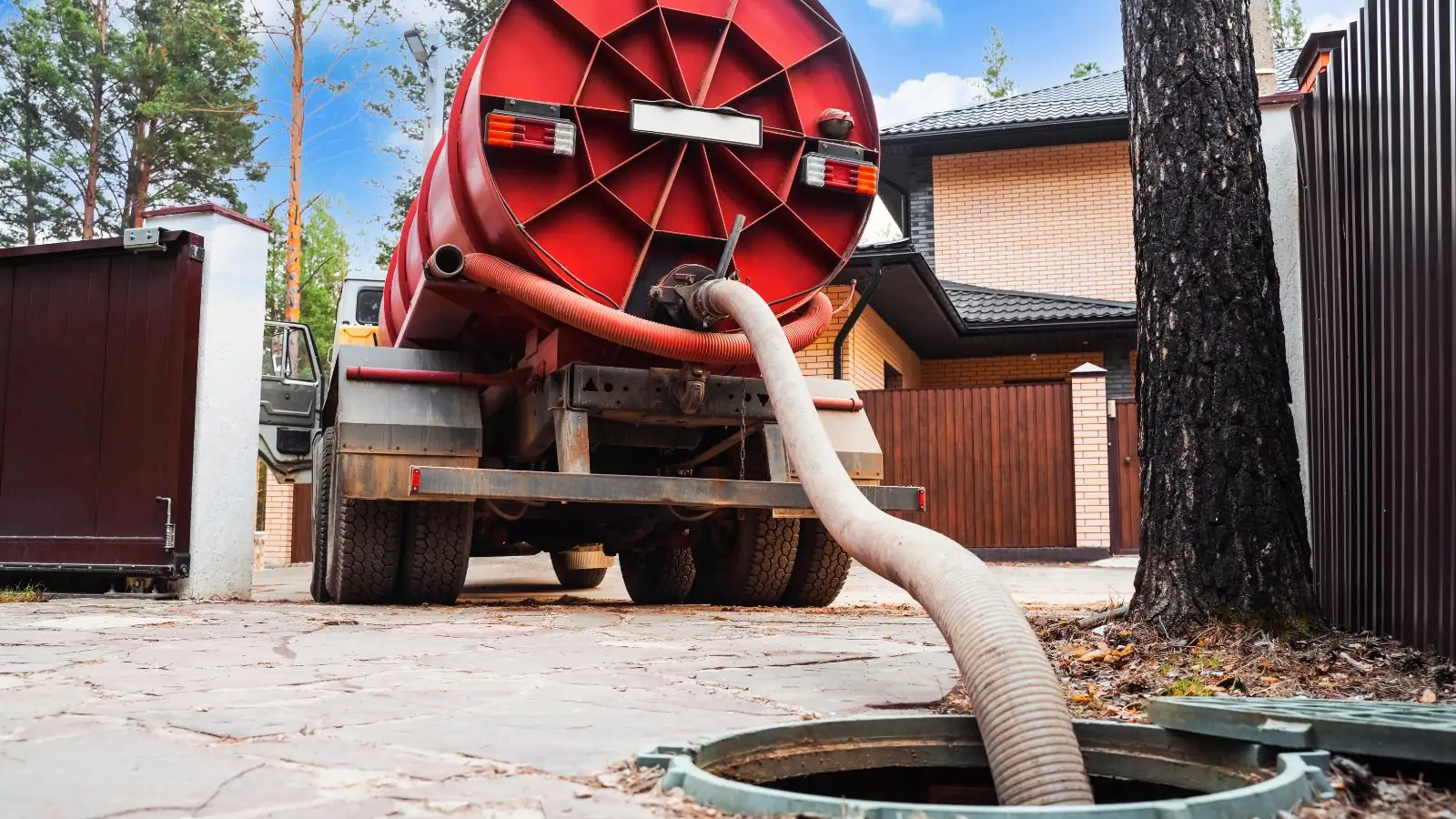
- Remove. Sewage and solids are pumped and extracted.
- Tear out. Carpet, pad, drywall, insulation and other porous items the water touched are bagged and removed. They cannot be made sanitary.
- Clean and disinfect. Concrete, framing and hard surfaces are washed, then treated with an antimicrobial.
- Dry. LGR dehumidifiers and air movers run with HEPA air filtration, and moisture meters confirm the result.
Contents are sorted as we go. Hard, non-porous items can often be cleaned. Upholstered furniture, mattresses, cardboard and children's soft toys that sat in sewage should go.
Clean water, gray water, sewage: how the three differ
| Category | Example | What is done |
|---|---|---|
| 1, clean | Supply line, sink overflow with clean water | Extract and dry, most materials stay |
| 2, gray | Washer or dishwasher discharge | Extract, clean, pad usually removed |
| 3, sewage | Drain or toilet backup, outside flood water | Remove porous materials, disinfect, dry |
Clean water does not stay clean. Left for a couple of days it degrades toward the lower categories, which is one reason speed matters on every loss.
Cost factors and insurance
- Area covered and depth of the sewage
- Whether the space was finished with carpet and drywall
- Volume of contents to sort, clean or dispose of
- Drying days after the tear out
Many homeowners policies exclude sewer and drain backup unless a specific endorsement was added. Look for that wording in your policy or ask your insurer. We document the loss with photos and an itemized scope. The scope is written up and priced before work begins.
Sewage in the basement? Tell us which drain and how far it spread.
Call (833) 521-1033Sewage cleanup coverage
We respond to sewage backups throughout Maryland Heights, ZIP 63043, and in Bridgeton, Hazelwood, Earth City, Florissant and Saint Ann. See the Florissant page for that area.
After the contaminated materials are out, the remaining structure goes through normal drying and dehumidification. Rebuilding the lower walls is covered under drywall repair.