
Why the vocabulary matters
When you read an estimate after a water loss, you will see words like mitigation, remediation and restoration used as if everyone knows them. They describe different stages of work. They are often billed separately, and an insurer may treat them differently.
Knowing which is which lets you check that nothing has been charged twice and nothing has been left out.
The three terms
| Term | Plain meaning | Typical tasks |
|---|---|---|
| Mitigation | Stop it getting worse | Shut-off, extraction, removing ruined materials, drying |
| Remediation | Remove a hazard or contaminant | Sewage cleanup, mold removal, disinfection |
| Restoration | Put it back the way it was | Drywall, flooring, trim, paint, cabinets |
In casual use, water damage restoration covers the whole journey, and that is how most people search for it. On paperwork the narrower meanings apply.
Mitigation: the emergency phase
Mitigation begins the moment someone shuts off the water. Its purpose is to limit the loss. Standing water is extracted. Materials that cannot be saved are removed. Drying equipment is installed and monitored until readings show the structure is dry.
Insurance policies generally expect homeowners to mitigate. That is why this phase can start before an adjuster has visited. The steps are described on our water extraction page.
Mitigation ends with a dry, clean, stable building that may have missing drywall and bare subfloor. It does not look finished, and it is not supposed to.
Remediation: when something has to be removed
Remediation means correcting a contamination problem. In water damage work that is usually one of two things: contaminated water or mold.
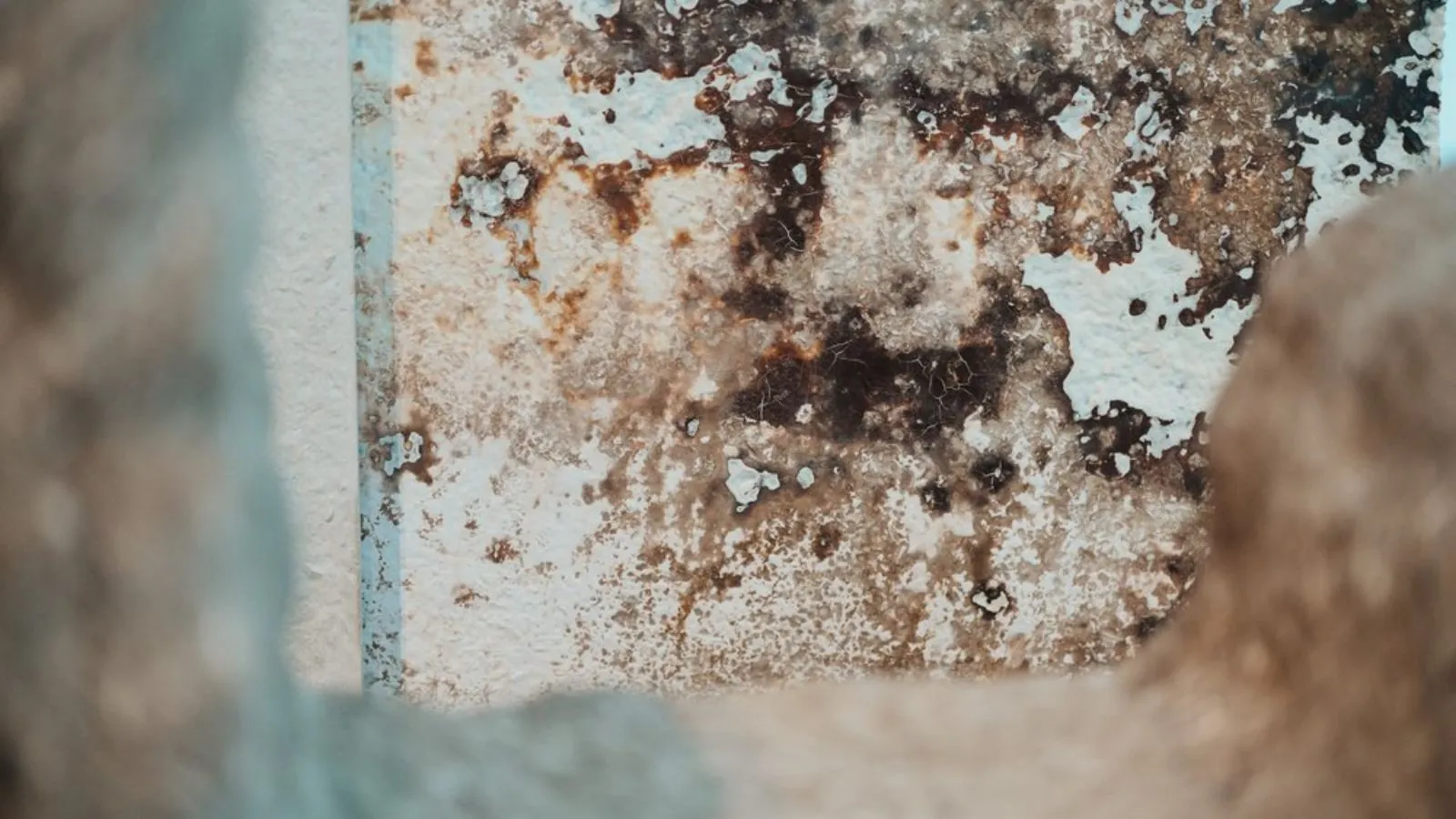
After a sewage backup or outside flooding, the water itself is the hazard. Porous materials are removed and surfaces are disinfected. After a slow or neglected leak, mold may be the hazard. The affected area is contained, growth is physically removed, and the moisture source is corrected.
Not every water loss needs remediation. A clean supply line break caught on the day it happens normally goes straight from mitigation to restoration. Where mold is involved, the work follows the practice set out on our mold remediation page.
Restoration: the rebuild
Restoration, in the narrow sense, is construction. Insulation and drywall go back. Seams are taped and finished. Walls are primed and painted. Flooring is laid, baseboard is fitted, cabinets are replaced.
This phase is slower and less urgent. It can be done by the same company or a different contractor. It is the part where getting more than one bid is practical, because the house is no longer getting worse while you decide.
One leak, three phases
Take an upstairs toilet supply line that fails while a family is out for the evening. Water runs for three hours and comes through the kitchen ceiling.
- Mitigation. Water off. Extraction upstairs and down. Sagging ceiling drywall and wet insulation removed. Air movers and dehumidifiers for four days. Daily readings.
- Remediation. None needed. The water was clean and it was dried promptly.
- Restoration. New ceiling drywall, texture and paint in the kitchen. Bathroom baseboard replaced. Flooring checked and refitted.
Now change one detail. The family was away for two weeks. The water has been sitting, the drywall is black at the edges and the house smells. Mitigation is larger, remediation is now required, and restoration covers far more. Same pipe, very different job.
How the terms apply in Maryland Heights
Permits follow the phases. Mitigation and remediation do not normally need one. Restoration can. The Maryland Heights Building Division lists basement finishes, kitchen and bath remodels and certain mechanical, plumbing and electrical work among projects that generally need a permit under the 2021 International Code Council codes.
On the remediation side, Missouri's health agency states that neither the state nor the federal government has set limits for mold levels, and that the species involved does not change how cleanup is done. So a remediation scope here should describe methods and a visual and moisture standard for completion, not a state threshold.
Flood-related losses in the city often involve all three phases, since creek and storm water is contaminated. The same is true for commercial buildings in Earth City and for homes in Saint Ann, where the 2022 storm produced nearly eleven inches of rain.
Reading an estimate
- Look for the three phases as separate sections or separate documents
- Check that equipment is listed by type, quantity and number of days
- Check that removed materials are listed by quantity
- Ask what is excluded, such as plumbing, electrical or contents
- Ask whether rebuild is included or quoted later
A mitigation invoice is often produced first because the work is already done. The rebuild estimate follows once the structure is dry and the full extent is known.
Related terms you may see
- Abatement. Usually refers to regulated materials such as asbestos or lead, a separate trade.
- Pack-out. Moving contents off site for cleaning and storage.
- Category and class. Category describes how contaminated the water is. Class describes how much of the room absorbed it.
- Drying goal. The moisture reading a material must reach, based on a dry reference in the same building.